

Self-Watering Planter
A two-piece 3D printed planter with a built-in water reservoir and wicking system. Print in PETG for water resistance.
This project produces a fully functional self-watering planter. The inner reservoir holds water for up to a week, and wicking ropes draw moisture up to the plant roots on demand. Great for herbs, succulents, or anything you tend to forget to water.
Step 1: Print the Reservoir
Print the inner reservoir in PETG. This piece contacts water, so PETG is mandatory — PLA will degrade and eventually leak. Use 5 perimeters and 40% infill to minimize porosity.
After printing, apply one coat of XTC-3D to the inside of the reservoir for a fully watertight seal.
Step 2: Print the Shell
The outer decorative shell can be any filament you like. PLA is fine here — it never contacts water. Print at 0.2mm layer height to save time.
Sand the shell from 120 to 400 grit, then prime and paint to your taste. I went with a matte terracotta spray paint.
Step 3: Prepare the Wicks
Cut three lengths of cotton rope, each about 15cm. Thread them through the wick holes in the reservoir floor so roughly 8cm hangs below into the water zone and 7cm sits above in the planting medium.
Step 4: Assemble
- Set the reservoir inside the shell — it should sit snugly with the rim resting on the shell’s inner ledge.
- Fill the reservoir with water through the fill port on the side.
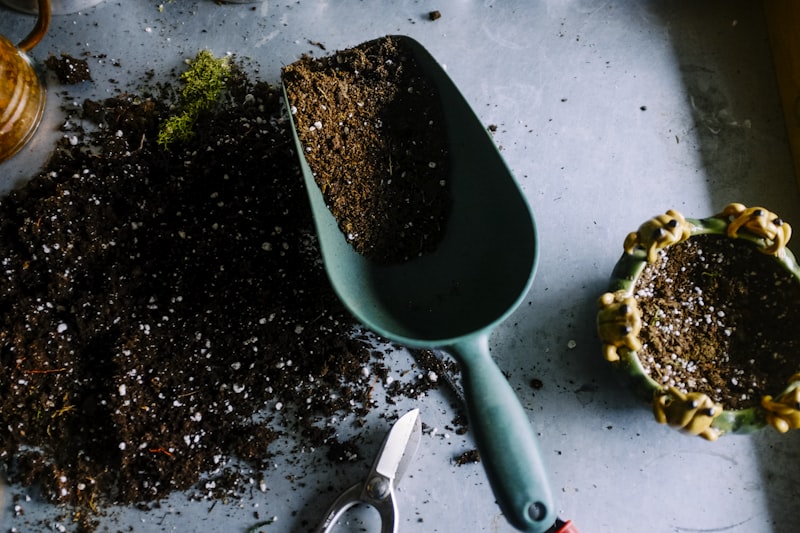
- Add potting mix on top of the reservoir, allowing the wick ends to be buried in the soil.
- Plant your herbs or greens.
Maintenance
Refill the reservoir when the water level indicator shows empty (approximately once per week for herbs in indirect light). No other maintenance required.
STL Files
STL files are coming soon to the DIY Dopamine Shop. Check back or sign up for the newsletter to get notified at launch.
Gallery
STL Files Coming Soon
Files will be available in the DIY Dopamine Shop.