5 Paint Finishing Techniques for PLA Prints
Raw PLA off the bed looks like… raw PLA off the bed. Layer lines, maybe some stringing, a vaguely plasticky sheen. With a few techniques and a weekend afternoon, you can take those same prints to display-worthy quality. Here’s how.
1. Sanding (The Non-Negotiable Foundation)
Skip this step and everything else suffers. You need to sand, and you need to wet sand.
Start at 120 grit to knock down the big layer lines and any blobs. Work up through 220, 400, then 800. Wet sand from 400 onward — the water carries away material and prevents heat buildup that can warp PLA.
Takes forever? Yes. Worth it? Also yes.
Pro tip: Use a sanding block for flat surfaces. Fingers conform to the surface and round off edges you want to keep sharp.
2. Filler Primer (The Secret Weapon)
Filler primer fills micro-scratches from sanding and remaining small imperfections. Rustoleum 2X Filler Primer in grey is my go-to. Two light coats, let dry fully, then sand lightly with 400 grit.
You’ll often see layer lines re-emerge after primer — that’s good, now you can see exactly where to sand more.
3. XTC-3D for Smooth Curves
For organic shapes and curved surfaces, XTC-3D epoxy coating is faster than endless sanding. Mix the two-part epoxy per instructions, brush it on, and surface tension does the work of filling layer lines.
Cures in 4-6 hours. Sand lightly when cured. Not great for mechanical parts or anything with tight tolerances — it adds 0.5-1mm thickness.
4. Airbrushing vs Rattlecan
Both work. Here’s the real talk:
Rattlecan: Faster, cheaper to start, less cleanup. Hard to get the thin coats that prevent orange peel. Vallejo spray primers and Tamiya lacquers are the best rattle options I’ve found.
Airbrush: Slower to set up, dramatically better results once you have the skill. Thinner coats, better color gradients, way more control. The Badger Patriot 105 is my workhorse.
5. Washes and Drybrushing for Depth
This is where prints go from “painted plastic” to “looks real.”
Panel liner / wash: Thin dark paint (brown or black oil paint, diluted heavily with mineral spirits) flows into recesses by capillary action. Wipe off the excess from the raised surfaces. Instantly adds depth.
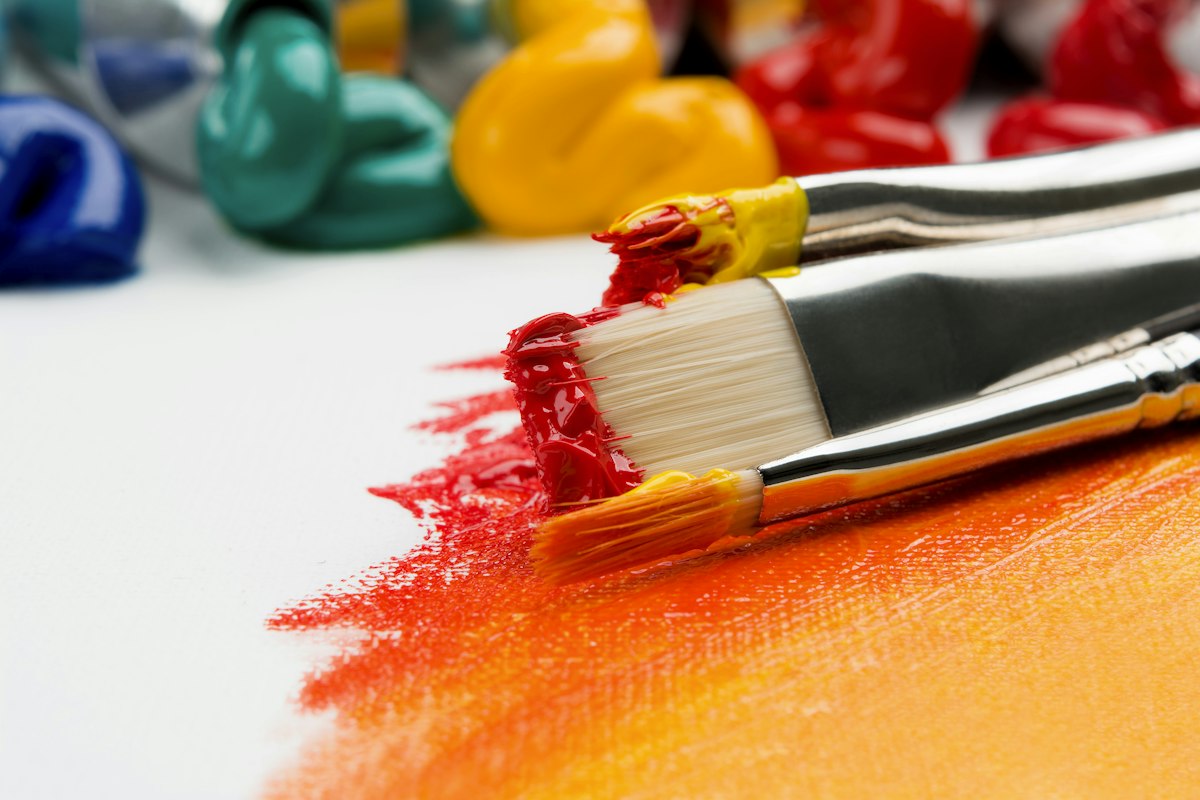
Drybrushing: Load a stiff brush with a light color, wipe most of it off on a paper towel until almost no paint remains, then drag lightly across the surface. Highlights raised detail. Sounds weird, looks great.
These two techniques in combination will make even a mediocre print look intentional and detailed.
The craft ceiling on this hobby is surprisingly high. A $20 print can look like a $200 collectible with the right finishing approach. Get your hands dirty.